
Kotori Coworking & Hostel Review (2026): Rural Japan's Best Coliving — Konpira Shrine, Mindful Work, and Two Properties in Kagawa's Forgotten Corner of Shikoku
Honest Kotori Coworking & Hostel review (2026). Two properties in Kagawa Prefecture, Japan — Kotohira (opened February 2024, on the approach to Konpira Shrine) and Takamatsu (city-centre coliving). Free coworking with every stay, private rooms and dorms, free laundry, community manager, Coliving Awards 2025 finalist. Long-stay discounts from 20% off. This is what rural Japan coliving actually looks like.
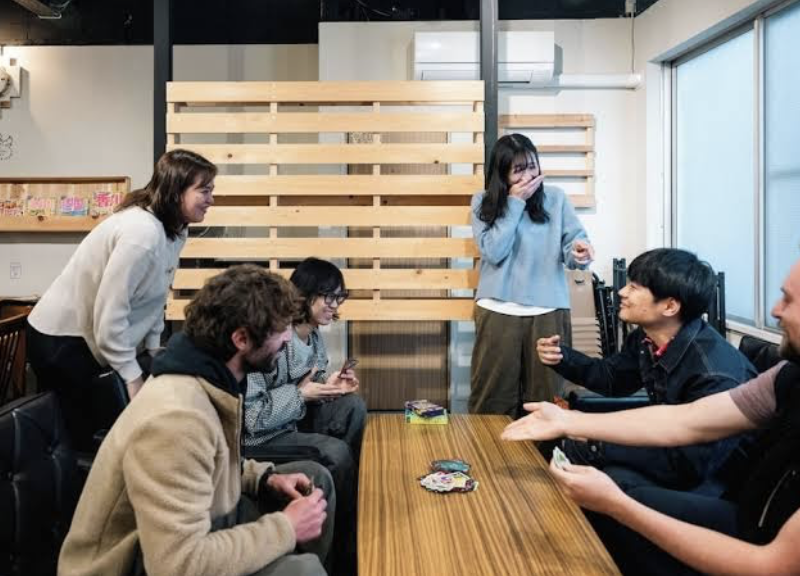
What Is Kotori Coworking & Hostel?
Japan has no shortage of hostels. What it has almost none of — particularly outside Tokyo, Osaka, and the well-worn tourist circuit — is a purpose-designed coliving infrastructure built specifically for digital nomads and remote workers who want to live in Japan rather than merely pass through it. Kotori Coworking & Hostel is one of the small number of spaces actively trying to change that, and it is doing so from an unlikely base: the pilgrimage town of Kotohira, in Kagawa Prefecture on the island of Shikoku.
Kotori — the name means "little bird" in Japanese — operates two properties. The first, Kotori Kotohira, opened in February 2024 on the main approach street to Kotohira Shrine (known affectionately throughout Japan as "Konpira-san"), the country's most celebrated maritime shrine. The second, Kotori Takamatsu, sits in the Higashitamachi district of Takamatsu, Kagawa's prefectural capital and the main city gateway to the Seto Inland Sea art islands. Between them, the two properties give a nomad in Kagawa both a genuinely rural, culture-immersive base and an urban anchor — with the same community infrastructure, the same coworking model, and the same guiding philosophy at each.
That philosophy is captured in the tagline: Connecting Locally, Creating the Nomad's Hub. It reflects where Kotori came from. The operation began as a tourist information centre in Kotohira Town — a space that existed to help international visitors understand the area they were standing in. When it re-launched as a coworking and coliving facility, it kept the essential insight of that original mission: that the most valuable thing a host can offer a visitor is not a bed, but a meaningful connection to the place they have chosen to spend their time.
Kotori was a finalist at the Coliving Awards 2025 — the industry's most cited recognition for spaces advancing the state of coliving globally — for its concept of "Mindful Nomadic Living," a structured approach to integrating mindfulness practices, Buddhist philosophy, and deep local engagement into the working rhythms of digital nomads in rural Japan.
Kotori is best for:
✓ Digital nomads and remote workers who want to experience Japan beyond Tokyo and Kyoto — in a genuinely local, unhurried, culturally rich setting ✓ People who are productivity-focused but burned out on city noise: Kotohira's quiet cadence, clean air, and temple-lined walks reorganise a working day in ways that urban colivings rarely can ✓ Asia-based nomads and those arriving through Takamatsu Airport (TAK) with direct connections from Seoul, Shanghai, Taipei, Hong Kong, and Taichung ✓ Travellers from Osaka, Kyoto, or Tokyo who want a rural Japan base accessible by direct bus or shinkansen + JR connection ✓ Remote workers looking for structured programming: the Alt_Coliving popup (twice yearly), cultural workshops, udon-making, kimono experiences, kabuki, and a daily community meetup ✓ Nomads who want flexibility: short stays (one night), week-long stays, or month-plus residencies — all welcome, with increasing discounts as stays lengthen
Book or enquire: 🌐 kotori-japan.com 📍 Kotori Kotohira: 720-15 Kotohira-cho, Nakatado-gun, Kagawa Prefecture 766-0001 📍 Kotori Takamatsu: 1-13 Higashitamachi, Takamatsu-shi, Kagawa Prefecture 760-0058 📸 @kotori.kotohira | @kotori_takamatsu
Why Kotori Is Different
The dominant narrative about Japan as a digital nomad destination runs through its cities. Tokyo has world-class infrastructure but eye-watering costs and sensory overload. Osaka is more affordable and more social, but it is still a city. Kyoto is beautiful and beloved and perpetually crowded with its own tourist economy. For the nomad who has done the Japanese city circuit — or who is arriving without wanting to start with it — the question of where to find rural Japan that is genuinely accessible, English-friendly, and designed for working remotely has had limited answers.
Kotori is one of the clearest answers currently operating.
What makes it distinct from generic Japanese hostels with a "coworking" corner is the seriousness with which the coliving concept has been executed. Three things stand out.
The first is the community manager model. Kotori employs a bilingual community manager at each property — present on-site from 9:00 AM to 6:00 PM every day — whose role is not to check guests in and out but to bridge the gap between visiting nomads and the local community. This is the person who introduces you to Shinji-san at Hemp Heart, tells you about the Udon Taxi tour, explains which temple trail to take at what hour, and makes the evening Nest5 meetup feel like a gathering among people who chose to be in the same room rather than strangers who happen to share a building.
The second is the depth of external partnerships. Kotori's collaboration with Alt_Coliving in Chiang Mai — one of Southeast Asia's most respected coliving brands — produces twice-yearly popup programs that bring an international cohort to Kotohira for a month of structured coliving, cultural programming, and skill-sharing. The November 2025 popup, themed around Japanese Buddhist concepts (space/Ma, impermanence/Mujō, harmony/Wa, and gratitude/Kansha), sold out and generated reviews from participants who described it as one of their best experiences of nomadic life. The partnership also produced a dedicated Discord alumni community and a growing body of nomad infrastructure around Kotohira — the nomadkotohira.com guide, local café recommendations, a digital handbook — that functions as a genuine on-ramp for first-time visitors to rural Shikoku.
The third is the location itself. Kotohira is not a town that was built to accommodate visitors from the outside. It is a town that was built for pilgrims, and has been shaped by centuries of hospitality to people in transit — people who arrived, stayed, were welcomed, and left changed. That spirit is palpable in the town's character: the shopkeepers who engage, the monks who talk, the udon shops that have been feeding travellers since long before the word "nomad" had a digital prefix. Kotori's founding insight is that plugging a modern remote worker into this existing infrastructure of welcome — rather than building a simulated community from scratch — produces something no purpose-built coliving campus can replicate.
The Two Properties: Kotohira and Takamatsu
Kotori currently operates two distinct spaces that serve different functions within a single regional nomad ecosystem. They share the same coworking and coliving philosophy, the same long-stay discount structure, and monthly membership that allows access to both.
Kotori Kotohira
Address: 720-15 Kotohira-cho, Nakatado-gun, Kagawa 766-0001 Opened: February 2024
Kotori Kotohira is the original and flagship property — the one with the Coliving Awards 2025 nomination, the Alt_Coliving partnership, and the dedicated nomad community that has grown up around it. It sits on the omotesando(main approach street) of Kotohira Shrine, six minutes' walk from Kotoden Kotohira Station, in a building that functions as a thoughtfully restored Japanese inn — what the coliving community describes as having the quality of a building "that came straight out of a Ghibli film."
The surrounding street is lively during the day — restaurants, souvenir shops, the flow of visitors making the 785-step ascent to the shrine — and quiet enough at night to guarantee the sleep quality that burnout recovery requires. The building is multi-storey, with distinct zones for different kinds of activity across the floors.
The Ground Floor functions as the community hub: a free-access space used by Kotori staff, guests, and local residents alike, with travel guidebooks, seating for casual conversation, and a small kitchen area. This is also where Nest5 happens every evening at 5:00 PM — Kotori's daily "Nesting Meet-Up," an informal daily gathering that is consistently cited by multi-week residents as the mechanism through which the community forms. The door is literally open to locals, which means the Nest5 circle on any given evening might include remote workers from four countries, a local shopkeeper, a freelancer from Takamatsu, and a monk who lives around the corner.
The Coworking Floor combines a quiet focus zone with a small social table, 40–50 Mbps wifi throughout, plenty of power outlets, sub-monitors available to borrow, and private meeting rooms for video calls (headset is recommended in open areas, but the meeting rooms allow full speaker use). A coworking space with complimentary drinks is available 24 hours a day for guests. Non-guests are also welcome as drop-in members during staffed hours (9:00 AM–6:00 PM). Monthly members gain access to both the Kotohira and Takamatsu spaces under a single membership.
The Third Floor Green Room is the element most mentioned in first-hand accounts: an artificial-grass space with window seats and natural light — described by long-stay residents as ideal for early morning yoga, stretching, or the kind of reflective work that needs a different environment than a desk. One resident described starting every day here with tea and a yoga mat before the rest of the house was awake, and returning to it in the afternoon for a different quality of focus than the coworking floor produces.
Accommodation at Kotori Kotohira spans three formats. The private room is a 7 sqm space with a semi-double bed (120 cm width), warm natural and modern design, soft lighting, and Nishikawa AIR01 mattresses across all bed types — a premium sleep investment that multiple reviewers specifically note. The twin room (10 sqm) features antique-style wooden furniture and bunk beds (lower 120 cm, upper 97 cm wide), suited to two friends travelling together. The semi-private dormitory is the most social option: a five-bed, lower-level-only room where all beds have partitions, reading lights, power outlets, and allocated safety boxes — described as "spacious" and designed so suitcases can be brought in without needing to navigate bunk ladders. A standard dormitory (upper and lower berths, ladder required) is the most budget-friendly option, with each berth equipped with a reading light, outlet, and valuables locker.
Community manager available: 9:00 AM–6:00 PM. Self-check-in via tablet with entry passcode sent by 12:00 PM the day before arrival. The facility operates full-day security.
Kotori Takamatsu
Address: 1-13 Higashitamachi, Takamatsu-shi, Kagawa 760-0058
Kotori Takamatsu is the urban counterpart — the property for nomads who want city infrastructure alongside the Kotori community model. Located seven minutes' walk from Kotoden Kawaramachi Station, in a quiet neighbourhood just off the main road, it sits three minutes from convenience stores, supermarkets, and shopping streets, and within walking distance of Takamatsu's considerable cultural offerings: Ritsurin Garden (a 15-minute walk, among Japan's most celebrated landscape gardens), the Marugamemachi Shopping Street, the city's art museum, and the ferry terminals for the Seto Inland Sea art islands — Naoshima, Teshima, and Shodoshima.
Rooms at Kotori Takamatsu include single rooms and twin rooms (with shared bathrooms), as well as a mixed dormitory. The facility includes a shared kitchen, a coworking space on the ground floor, a rooftop terrace (used for laundry drying and open-air breaks), lounge areas, and the same wifi and community infrastructure as the Kotohira property.
Reviewer descriptions are consistent: large and spacious rooms, bathroom areas with full facilities, shared cooking and dining space with plenty of room to eat, work, or relax. The Takamatsu property is described as "the nicest hostel I stayed at during my three weeks in Japan" by one reviewer, and multiple accounts specifically note the quality of the staff — genuinely friendly, English-speaking, attentive in a way that feels personal rather than professional.
A practical note: Kotori Takamatsu accepts cash only for on-site payment beyond the booking deposit. Confirm this at time of booking.
The Spaces in Detail: What You Actually Work and Live In
Coworking
Both properties centre their coworking on a model that experienced remote workers recognise as effective: a dedicated work environment that is not the living room, with a range of zones to match different kinds of cognitive work throughout the day.
At Kotohira specifically, the layering of spaces is one of the most commented-upon features. The ground-floor coworking zone handles focused individual work and the social table for more conversational or collab sessions. The third-floor Green Room serves yoga, stretching, and the kind of thinking that happens away from a screen. The meeting rooms handle calls and video conferences. The kitchen table and the outdoor areas handle the informal conversation that marks breaks between work blocks. One long-term resident described the result as a workplace that actually matches how productive remote work functions — different spaces for different modes — rather than a single table in a shared apartment masquerading as professional infrastructure.
Coworking specifications:
WiFi: 40–50 Mbps (Kotohira), high-speed throughout both properties
Hours: 9:00 AM–6:00 PM for drop-in; 24/7 for overnight guests
Drop-in fee for non-guests: ¥1,500 (per visit, within staffed hours)
Meeting rooms: available at both properties; Kotohira meeting rooms allow speaker use
Sub-monitors: available to borrow at Kotohira
Monthly membership: covers both Kotohira and Takamatsu coworking spaces
The wifi speeds — 40–50 Mbps at Kotohira — are appropriate for video calls, standard remote work, and most collaborative tools, but are not the 200–500 Mbps fibre connections found at urban colivings in Lisbon or Ericeira. For the majority of remote workers this is a non-issue. For those running high-bandwidth workflows (large file transfers, livestreaming, multi-device professional setups), it is worth noting.
Living Spaces
Both properties provide: fully equipped communal kitchen, free laundry (washing machine and dryer), lounge areas, air conditioning in all rooms, shared shower and bathroom facilities, free coffee and tea, and luggage storage. All beds use Nishikawa AIR01 mattresses — a specific premium product that is mentioned often enough in reviews to be worth noting as a genuine feature rather than a marketing claim.
The communal kitchen at both properties is described as functional rather than gourmet — adequate for breakfast, simple dinners, and the kind of food-preparation community that forms around a shared refrigerator and a good coffee machine. It is not the elaborate social kitchen of a property like Três Bandeiras; it is a practical, well-equipped shared cooking space in the hostel tradition, suited to residents who eat out most meals and cook when they want something specific.
What the common spaces produce — at Kotohira particularly, given its smaller scale — is the texture of a working house: the coworker who becomes a friend through daily coffee at the same table, the local drop-in who becomes a conversation partner, the evening Nest5 circle that turns a week of productive isolation into something more.
The Community Programme: Mindful Nomadic Living in Practice
Kotori's community architecture is more deliberately structured than most hostel-coliving hybrids, and significantly more rooted in the specific culture of the place than most international coliving brands.
The daily anchor is Nest5 — the 5:00 PM meetup at Kotori Kotohira, open to everyone, that provides the rhythmic social punctuation that long-term remote work requires. It is informal, uncommitted, and consistent. Residents describe it as the mechanism through which a building of individuals becomes a community: the moment when someone who has been heads-down since morning looks up, walks downstairs, and finds that six interesting people are already there.
Beyond the daily rhythm, Kotori's programming layers outward in concentric circles.
Local activity integration is where Kotori's origins as a tourist information centre are most visible. The Udon Taxi — a tour service that takes guests to authentic udon restaurants in the Sanuki tradition using taxi as transport — is specifically recommended in reviews and is one of the clearest examples of how the local knowledge the team carries translates into guest experience. The chocolate factory visit, shrine-approach walks, forested hill trails, river walks through rice fields, kabuki performances at the oldest kabuki theatre in Japan, udon-making workshops, kimono experiences, and Buddhist practice sessions with local monks are all documented in first-hand accounts as part of what daily life in Kotohira involves for a nomad who is paying attention.
The Alt_Coliving Popup Program is the most structured offering. Running twice yearly in collaboration with Alt_Coliving (Chiang Mai), the program brings a cohort of international nomads to Kotohira for a one-month structured residency combining coworking, mindfulness practices drawn from Zen and Buddhist philosophy, cultural workshops, skill-sharing sessions, family meetings for co-creating the programme's social activities, and guided day trips. The November 2025 edition — themed around the four Japanese concepts of Ma (space), Mujō (impermanence), Wa (harmony), and Kansha (gratitude) — included yoga, meditation, mindfulness workshops, and a group day trip to a pilgrimage trail. Alumni from this program have returned to Kotohira independently, hosted their own sessions there, and brought others from their networks — the hallmark of a programme that has actually done what it promised.
The international events calendar at both properties runs regularly and covers a genuinely diverse range. Recent events documented on the website include a Pintxos Night at Kotohira (Basque-style social evening, April 2026), a Flower Bouquet Workshop (April 2026), and the Kotori International Night Vol.9 — Taiwan at Takamatsu (April 2026, focused on Taiwanese food and cultural exchange). The International Night series — which has reached its ninth edition as of early 2026 — is a recurring format that rotates through different Asian cultures, reflecting both the international composition of the Kotori community and the specific connections the operation has developed in Taiwan and across Asia through the "Everyday Extraordinary" program.
The "Everyday Extraordinary" mini-residency program is a structured multi-country experience offered primarily across Taiwan and other Asian destinations, designed around the idea that the ordinary rhythms of local life — shopping, cooking, commuting, socialising — are the deepest form of cultural access for a visiting nomad. Kotori is a node in this network, along with Alt_Chiang Mai, Colive Fukuoka, and other Asian coliving partners.
Otetsutabi and SAGOJO work-and-stay programs provide an additional pathway for nomads who want to contribute to local operations in exchange for accommodation — a model well-established in Japan's rural revitalization economy and consistent with Kotori's broader mission of creating sustainable nomad-local exchange rather than extractive tourism.
Long-Stay Plans and Pricing
Kotori's pricing structure explicitly rewards longer stays, in keeping with the philosophy that a week or more is what genuine local immersion requires.
Stay Length | Discount |
Standard nightly rate | Base rate |
1 week | 20% off entire stay |
1 month | 35% off entire stay |
3+ months | Enquire for special rates |
Long-stay plans apply to semi-private dormitory and private rooms (single and twin). Standard dormitory bookings are not eligible for the long-stay discount. Plans are only available when booked through the official website at kotori-japan.com. Long-stay plans are available for both the Kotohira and Takamatsu properties.
For the Alt_Coliving popup program specifically, pricing as listed at altcoliving.com for the November 2025 edition included accommodation in the twin room at approximately $980/month for two people sharing — a price that includes access to the full curated program alongside accommodation. Private rooms (7 sqm single) were available at a solo rate; the 5-bed semi-private dormitory was the most affordable option. These figures are from the popup program pricing and should be verified against current listings for upcoming editions.
Nightly rates visible on third-party booking platforms (Booking.com, Expedia, Hotels.com) vary by season and room type but are in the range typical for Japanese hostel-style accommodation — competitive within the Kagawa market and significantly more affordable than coliving equivalents in Tokyo or Osaka.
What People Say
Reviews of Kotori Kotohira appear across Booking.com (rated 9.5 for location by couples), Wanderlog, Google, and direct documentation in the nomad community. The tone is consistent: warmth toward the staff, appreciation for the community infrastructure, and repeated references to how the combination of the space and the town produces a quality of working experience that feels qualitatively different from city-based remote work.
On the staff and the feeling of the place:
"The most valuable part of my stay was the staff, who were genuinely friendly and attentive. We felt more like friends than just in a typical host-customer relationship. I also highly recommend their Udon Taxi and the chocolate factory visit tours!" — Guest review, Wanderlog
On community and belonging over a month-long stay:
"I stayed for a month here. The staff are super friendly and will help you with any questions you have about Kotohira. It's also a community hub where other locals meetup, cook, and run events too. It's a great place to be in if you want to get to know people both Japanese and international. The rooms are clean, shower rooms large, and coworking space vast. The top floor is where you'll find the large coworking green room with window seats." — Guest review, Wanderlog
On the quality of the facilities at Kotohira:
"I had an awesome stay at this Hostel. Common areas are great, with a lot of space to work. Facilities are brand new and very clean. The dormitory was also really good. This place is perfect if you want to visit the Kotohiragu." — Guest review, Booking.com
On Kotori Takamatsu's design and feel:
"The co-working, common space, dorm room and bathroom were all very elegantly decorated and sparkling clean. The nicest hostel I stayed at during my 3 weeks in Japan!" — Guest review, Booking.com
On Kotori Takamatsu's staff and spaces:
"Large and spacious rooms, bathroom area with all facilities. Shared cooking/dining/living space with plenty of space to eat or work or lounge around. Very clean and nicely decorated." — Guest review, Booking.com
On what Kotohira's pace does to your productivity — from Sunil Pithwa, entrepreneur and conference MC who spent six weeks at Kotori via the Alt_ popup:
"Compared with big cities, my productivity in Kotohira shifted in a very noticeable way. There were far fewer distractions, both obvious and subtle. No constant noise, no endless options pulling attention in different directions, and no feeling of needing to be everywhere at once. Staying at Kotori also made a big difference. The workspace being in the same building removed the friction of commuting to a coworking space. That alone freed up mental energy and made it easier to slip into deep work without overthinking the day." — Sunil Pithwa, via The Digital Nomad Asia
On the Alt_ popup program and what Kotohira gives you:
"I joined the first ever popup program organised by Alt and Kotori. Seven digital nomads landing in the Japanese countryside for a month of work and travel experience. It was one of the best experiences in my life. I met wonderful people, nomads and locals, and made great friends. I discovered the story of this town with Mr Candy, Buddhism with a monk, made my own udon noodles or onigiris, wore a traditional kimono, enjoyed a traditional kabuki show… But there was nothing like crowds of tourists. It was with friends, with exchanges, with a shared desire to discover each other." — French digital nomad, nomadkotohira.com
On the location's specificity:
"Very nicely located hostel with a lot of facilities. The place is excellently placed close to the main street and train station. The personnel is very kind and the rooms are spacious." — Guest review, Booking.com
The Locations in Detail
Kotohira: A Pilgrimage Town Built for Welcome
Kotohira is, by most tourist maps' standards, a minor stop on a Shikoku itinerary — somewhere you visit for a day to climb the 785 steps to Konpira-san and then continue toward Takamatsu or Matsuyama. The nomads who stay at Kotori for a month discover a different town entirely.
Kotohira-gu, also known as Konpira-san or Kotohira Shrine, is one of the most historically significant shrines in Japan — a Shinto sanctuary dedicated to maritime safety, perched at the top of Mount Zōzu, that has been drawing pilgrims from across the country since the Edo period. The main approach street that Kotori sits on has been feeding, housing, and equipping those pilgrims for centuries. This history of hospitality is embedded in the town's character. Shopkeepers engage. Restaurants remember returning visitors. The udon shops — Kagawa is the home of Sanuki udon, Japan's most celebrated regional noodle tradition — are places where a regular becomes a familiar within days.
Beyond the shrine, the town has layers that reveal themselves slowly: the Kanamaru-za, Japan's oldest kabuki theatre (still in use for annual performances), the Konpira Grand Theatre, forested hills with trails running minutes from the main street, a river walk that transitions from town to open rice fields almost immediately, and a rotating cast of local entrepreneurs and creative workers who use the Kotori coworking space and form the human infrastructure of the nomad community.
The town is walkable and compact. Rental bikes are available. Taxis within the town are affordable. The Kotoden (Kotohira Electric Railway) connects Kotohira to Takamatsu in approximately 60–70 minutes, making day trips to the city straightforward. From Kotohira, day trips reach Naoshima (the contemporary art island, 2+ hours by train and ferry), Teshima (art island, similar journey), the Iya Valley and Oboke Gorge (dramatic inland scenery, accessible by train and bus), and Chichibugahama (a tidal flat famous for its mirror-like sunset reflections, roughly 1 hour).
Best seasons for Kotohira:
Spring (late March–May):
Cherry blossoms on the approach and in the surrounding hills, mild temperatures, excellent for walking. Specifically recommended by multiple reviewers as the highlight season.
October (Autumn):
Festival season; the town's annual festival involves a remarkable procession.
Winter (December–February) and June:
Low season for tourism, ideal for deep work stays with fewer visitors, lower prices, and a more local social dynamic.
Getting to Kotohira:
Route | Time | Cost (approx.) |
Takamatsu Airport → Kotohira Station (direct bus) | 48–50 min | ¥2,000 |
Osaka (Namba) → Kotohira (direct express bus) | 4.5 hrs | ¥3,500 |
Osaka Shin-Osaka (Shinkansen) → Takamatsu → Kotohira | 2.5–3.5 hrs | varies |
Tokyo → Kotohira (Shinkansen + JR) | ~4.5 hrs | varies |
Takamatsu: Gateway City to the Inland Sea
Kotori Takamatsu sits in Higashitamachi, a residential neighbourhood seven minutes' walk from Kawaramachi Station and three minutes from daily necessities. Takamatsu is the regional capital of Kagawa and the main ferry port for the Seto Inland Sea art islands — making it a natural anchor for nomads who want both city infrastructure and access to one of Japan's most distinctive cultural landscapes.
Ritsurin Garden — widely considered one of Japan's finest landscape gardens, comparable to the best in Kyoto — is fifteen minutes on foot from Kotori Takamatsu. The Marugamemachi covered shopping arcade, Takamatsu's food scene (the city is a major Sanuki udon hub, with dozens of local noodle shops within walking distance), and the city's art institutions are all within easy reach.
Naoshima, the Benesse Art Site island home to Lee Ufan Museum, Chichu Art Museum, and the Yayoi Kusama pumpkins, is accessible by ferry from Takamatsu in approximately 60 minutes. Teshima (Teshima Art Museum, Yokoo Tadanori House) and Shodoshima (olive groves, soy sauce culture, Japan's only gorge) are on the same ferry network.
Takamatsu Airport (TAK) is the easiest international entry point for Kotori: direct connections from Seoul (Gimpo and Incheon), Shanghai (Pudong), Taipei (Taoyuan and Songshan), Hong Kong, and Taichung make it accessible without routing through Tokyo or Osaka for travellers from across East and Southeast Asia. From the airport, a limousine bus reaches the city in approximately 27 minutes.
Pros & Cons
Pros
The only dedicated coliving for digital nomads in a Japanese pilgrimage town — and likely one of very few in all of rural Shikoku. There is no meaningful competition in Kotohira for what Kotori does. The rural Japan coliving niche is still largely unsupported infrastructure for international nomads, and Kotori is one of the most serious attempts to address it.
Coliving Awards 2025 finalist. The nomination for "Mindful Nomadic Living" recognises both the concept's originality and its execution — a structured, philosophy-grounded approach to integrating remote work with Japanese cultural practice that goes considerably further than a coworking corner in a guesthouse.
Alt_Coliving partnership produces world-class popup programming twice annually. The combination of Kotori's local knowledge and Alt_'s international community-building expertise produces a program that participants consistently describe as among their best experiences of nomadic life. The November 2025 edition with Buddhist-themed weekly programming, mindfulness workshops, and deep local integration is the clearest example of what this partnership makes possible.
Nest5 daily meetup at 5 PM — the structural social glue. This simple, daily, open-to-everyone gathering is the community mechanism that transforms a hostel into a coliving. Its openness to locals (not just guests) means the circle is genuinely mixed — international nomads alongside Japanese freelancers, shopkeepers, students, and monks.
Community manager on-site 9:00–18:00 at both properties. Bilingual (English/Japanese), present, knowledgeable, and actively invested in connecting guests with the local area. Reviews across platforms consistently single out the staff as exceptional and the primary differentiating factor of the experience.
Free coworking included for all overnight guests. From check-in day 9:00 AM to check-out day 6:00 PM — not an extra, not a time-limited access, but full coworking included in every stay of every length. Monthly members gain access to both properties under a single plan.
Long-stay discounts of 20% (1 week) and 35% (1 month) that are genuinely meaningful and available on all room types except standard dormitory. For a nomad planning a month in rural Japan, the effective rate at Kotori is considerably more affordable than Japan's urban coliving alternatives.
Premium sleep infrastructure. Nishikawa AIR01 mattresses across all bed types, at every price point from dormitory to private room, is an unusual commitment in the hostel market and one that pays off in reviews that consistently cite sleep quality.
Free laundry at both properties. Washing machine and dryer, included. In Japan's urban hotel market this would cost ¥300–600 per load. For long-stay residents this is a meaningful practical benefit.
Coliving-and-city flexibility via the two-property model. The ability to split a Japan stay between rural Kotohira and city-gateway Takamatsu — under the same community and membership infrastructure — gives a nomad in Kagawa a flexibility that single-property spaces cannot offer.
International access via Takamatsu Airport (TAK) from Seoul, Shanghai, Taipei, Hong Kong, and Taichung — direct connections that make Kotori genuinely reachable for Asia-based nomads without routing through Tokyo.
Cons
Wifi at Kotohira is 40–50 Mbps, not the fibre speeds of urban colivings. For standard remote work, video calls, and collaborative tools, this is entirely adequate. For high-bandwidth professional users it is a real limitation that is worth understanding before booking a month-long residency around.
Kotohira is genuinely rural and genuinely small. The town has everything for a quiet, deeply local month. It does not have nightlife, a craft coffee scene, a coworking ecosystem of alternative spaces, or the diversity of social options that urban destinations provide. Reviews consistently say you will not get bored if you are genuinely open to the pace. They also consistently say: if you are after nightlife, look elsewhere. This is not a criticism of the space; it is an accurate description of the proposition.
Community manager hours are 9:00 AM–6:00 PM. After 6:00 PM, access is via passcode (given at check-in), and the building is effectively self-managed. For guests accustomed to 24-hour staffed properties, this requires a modest adjustment.
No elevator at Kotori Takamatsu, with steep stairs — noted specifically in reviews for guests with large luggage or mobility considerations.
Not a curated-cohort coliving. Kotori does not select residents through an application process. The community quality at any given time is partly a function of who has arrived and how the social dynamics develop. The Alt_ popup (when running) provides a more deliberately curated cohort; outside those windows, the community is as organic as any open-booking hostel.
The Alt_ popup program runs only twice a year and has limited spots (15 in the November 2025 edition). For nomads specifically seeking the structured programming and curated cohort of the popup experience, timing the visit around these windows is important — and early application is advisable.
Japan's broader visa structure remains a friction point. Most Western nationals receive a 90-day tourist visa-waiver on arrival, which is sufficient for one to three months. Japan's digital nomad visa (announced and updated in 2024) provides a legal framework for longer stays but requires meeting specific financial criteria. For stays beyond 90 days, or for those wanting a formal legal basis for remote work while in Japan, advance research is necessary.
How Kotori Compares in the Japan Coliving Landscape
Japan's coliving market is concentrated in Tokyo, Osaka, and — increasingly — a handful of secondary cities like Fukuoka, Kyoto, and Sapporo. Most rural coliving options are either government-supported local revitalization projects (chiiki okoshi) with limited international infrastructure, or surf/nature camps without serious coworking.
Factor | Kotori Kotohira | Typical Tokyo/Osaka coliving | Selina Japan (Kyoto etc.) | Rural workation facilities |
Location character | Pilgrimage town, genuine rural Japan | Urban, tourist-circuit | Urban tourist areas | Rural but limited English |
Community architecture | Community manager, Nest5, Alt_ popup | Varies widely | Events-based | Minimal |
English support | Strong (bilingual staff) | Varies | Strong | Often limited |
Coworking included | Yes, all stays | Often extra fee | Often extra or limited | Minimal |
Monthly discount | 35% off | Rarely | Limited | Varies |
Cultural depth | Deep (Konpira, kabuki, udon, monks) | Surface | Surface | Varies |
Coliving Awards recognition | 2025 finalist | N/A | No | No |
International connections | Alt_Chiang Mai, Colive Fukuoka, Taiwan programs | Variable | Selina network | None |
Cost relative to comfort | Very competitive | High | High | Low but limited |
Best for | Mindful work, cultural depth, slow Japan | Convenience, city access | Short stays, style | Cost savings only |
For the nomad who has already done urban Japan — or who is arriving in Japan specifically to experience something different — Kotori Kotohira sits in a category of its own in the domestic coliving market. For the nomad arriving at Takamatsu Airport from Seoul or Taipei who wants to start a Japan chapter with something genuinely Japanese rather than something Japanese-adjacent, it is the clearest first choice currently operating.
Living as a Digital Nomad in Kagawa: The Context
Kagawa is Japan's smallest prefecture by area and sits in the northeast corner of Shikoku — the least-visited of Japan's four main islands, despite being home to the famous 88-temple pilgrimage, one of the country's most culturally significant walking routes. The prefecture's identity is anchored by udon: Sanuki udon, the thick, chewy, deeply satisfying wheat noodle that Kagawa produces in more styles, at more restaurants, per capita, than anywhere else in the world. Eating udon in Kagawa is not an activity; it is a daily rhythm.
The regional cost of living is meaningfully lower than Tokyo or Osaka. A bowl of udon at a local shop costs ¥150–400. Lunch sets at local restaurants are ¥700–1,200. Coffee at a local café runs ¥400–600. Convenience stores (7-Eleven, FamilyMart, Lawson) are within minutes of both properties. Supermarkets and fresh food markets cover the rest.
The Seto Inland Sea defines the region's relationship with beauty. The art islands — Naoshima, Teshima, Inujima, Shodoshima, and others — have been the site of one of the world's most sustained contemporary art programs since the early 2000s. The Benesse Art Site, the Setouchi Triennale (held every three years), and the permanent collections on these islands have put Kagawa on the international cultural map for reasons entirely separate from Konpira Shrine. For a nomad spending a month in the prefecture, the islands are the obvious weekend destination — ferry rides into one of the most quietly extraordinary landscapes in Japan.
Kagawa's transport network is reliable and (by Japanese standards) simple. The Kotoden railway connects Takamatsu to Kotohira on a single line. JR Shikoku covers longer regional distances. The expressway bus network connects Kotohira directly to Osaka and other major cities. Takamatsu Airport handles both domestic connections and the growing roster of Asian international routes.
Japan's nomad visa (the "Specified Skilled Worker" category and the 2024-updated digital nomad provisions) provides a legal framework for longer stays, though requirements are specific and documentation-heavy. Most international visitors rely on the 90-day tourist visa-waiver, which is adequate for a meaningful Kotori residency. For any stay beyond 90 days, advance research through official Japanese immigration sources is essential.
Frequently Asked Questions
What is the minimum stay? No minimum. Kotori accepts single-night stays through to multi-month residencies. The long-stay discount (20% for 1 week, 35% for 1 month) activates at 7+ nights and is only available through the official website.
Does the long-stay discount apply to dormitory beds? The discount applies to semi-private dormitory and private room (single/twin) bookings. Standard dormitory bookings are excluded.
Can non-guests use the coworking space? Yes. Drop-in access is available at both properties during staffed hours (9:00 AM–6:00 PM) at a fee of ¥1,500 per session. No pre-booking or membership registration is required.
Is there a monthly membership? Yes. Monthly coworking members at either property gain access to both the Kotohira and Takamatsu coworking spaces.
What time does the daily Nest5 meetup happen? Every day at 5:00 PM at Kotori Kotohira ground floor. Open to everyone — guests, drop-in coworkers, and locals.
When does the Alt_Coliving popup program run? Twice yearly, in collaboration with Alt_Chiang Mai. Dates and program details are published at altcoliving.com/kotohira-japan and kotori-japan.com/altcoliving. The November 2025 popup was described by participants as one of their best nomadic life experiences. Spots are limited (approximately 15 per edition); early application is recommended.
What is the "Everyday Extraordinary" program? A mini-residency experience operating primarily in Taiwan and across Asia, curated around the idea of experiencing daily local life rather than tourist attractions. Kotori is a participating node. Details at kotori-japan.com/en/coliving.
Can I stay at both Kotohira and Takamatsu during one visit? Yes, and the two-property setup is designed to support this. A common pattern is spending the first part of a Kagawa stay in rural Kotohira (for deep work and cultural immersion) and concluding in Takamatsu (for city access and the Seto Inland Sea islands). Coordinate through the official booking links.
Is English spoken at both properties? Yes. Both properties have English-speaking staff and are designed for international guests. The community manager role at Kotohira specifically involves English-language local bridging.
What is the closest airport? Takamatsu Airport (TAK), with direct flights from Seoul, Shanghai, Taipei, Hong Kong, and Taichung. From TAK to Kotohira Station: 48-minute direct bus, ¥2,000. From TAK to Takamatsu: 27-minute limousine bus.
Is parking available? Paid parking is available near Kotori Kotohira. Kotori Takamatsu does not list on-site parking but is well-served by public transport.
What currency and payment methods are accepted? Kotori Takamatsu accepts cash only for on-site payment; confirm at time of booking. Kotori Kotohira: confirm payment methods via the official booking page.
Final Verdict: Is Kotori Worth It?
For the right kind of nomad — and specifically for the nomad who is tired of the same circuit — the answer is yes, with very few caveats.
Kotori Coworking & Hostel occupies a position in the Japanese coliving market that no one else is currently filling as seriously: a rurally located, culturally embedded, internationally connected coliving infrastructure in the part of Japan that most international visitors pass through or skip entirely. The Coliving Awards 2025 nomination recognised the "Mindful Nomadic Living" concept not as a marketing slogan but as a genuine framework — one that takes seriously the question of what a month of intentional work in a Japanese pilgrimage town, with daily mindfulness rituals, Buddhist-informed programming, and genuine local community access, actually does to how you work and how you think.
The answer, based on the accounts of the people who have done it, is: considerably more than a month in any city would.
The practical framework is solid: free coworking with every stay, generous long-stay discounts, premium mattresses, free laundry, bilingual community management, and the two-property model that gives any Kagawa stay both depth (Kotohira) and flexibility (Takamatsu). The Alt_ popup program is the highest expression of what the space can be — and for those who miss it, the daily rhythm of Nest5, the local relationships the community manager facilitates, and the town itself provide a version of the same experience at a slower speed.
The trade-offs are real: Kotohira is small, the wifi won't satisfy enterprise users, the staff go home at 6 PM, and the Alt_ popup is twice-yearly and limited. None of these are dealbreakers for the nomad Kotori is actually designed for — someone who has been asking what it would be like to actually live in a quiet corner of Japan, not just visit it.
Kotori's answer to that question — for the right person, in the right month — is one of the most honest and complete currently available.
Book your stay at Kotori: 🌐 kotori-japan.com 📍 Kotori Kotohira: 720-15 Kotohira-cho, Nakatado-gun, Kagawa 766-0001 📍 Kotori Takamatsu: 1-13 Higashitamachi, Takamatsu-shi, Kagawa 760-0058 📸 @kotori.kotohira | @kotori_takamatsu
Last updated: 2026 | Based on content from kotori-japan.com (all English-language pages including accommodation, coworking, activities, coliving, FAQ for both Kotohira and Takamatsu properties), the official Alt_Coliving popup program page at altcoliving.com, verified guest reviews on Booking.com, Wanderlog, and Planet of Hotels, first-hand accounts published at nomadkotohira.com and The Digital Nomad Asia (thedigitalnomad.asia/news/kotori-kotohira), Coliving Awards 2025 finalist documentation, the collaborative pop-up programme pages at thedeck.jp, HAFH, and the Mitoyo Tourism and Exchange Authority. For the most current room availability, pricing, long-stay plan terms, and upcoming Alt_ popup dates, book or enquire directly at kotori-japan.com.