
Morumbi Coliving Review (2026): The Bureaucracy-Free Shared Housing Solution in São Paulo
An honest look at São Paulo’s practical coliving space — the all-inclusive pricing, the no-guarantor model, the private suites, and the real trade-offs of shared living in one of Brazil’s most famous neighborhoods.
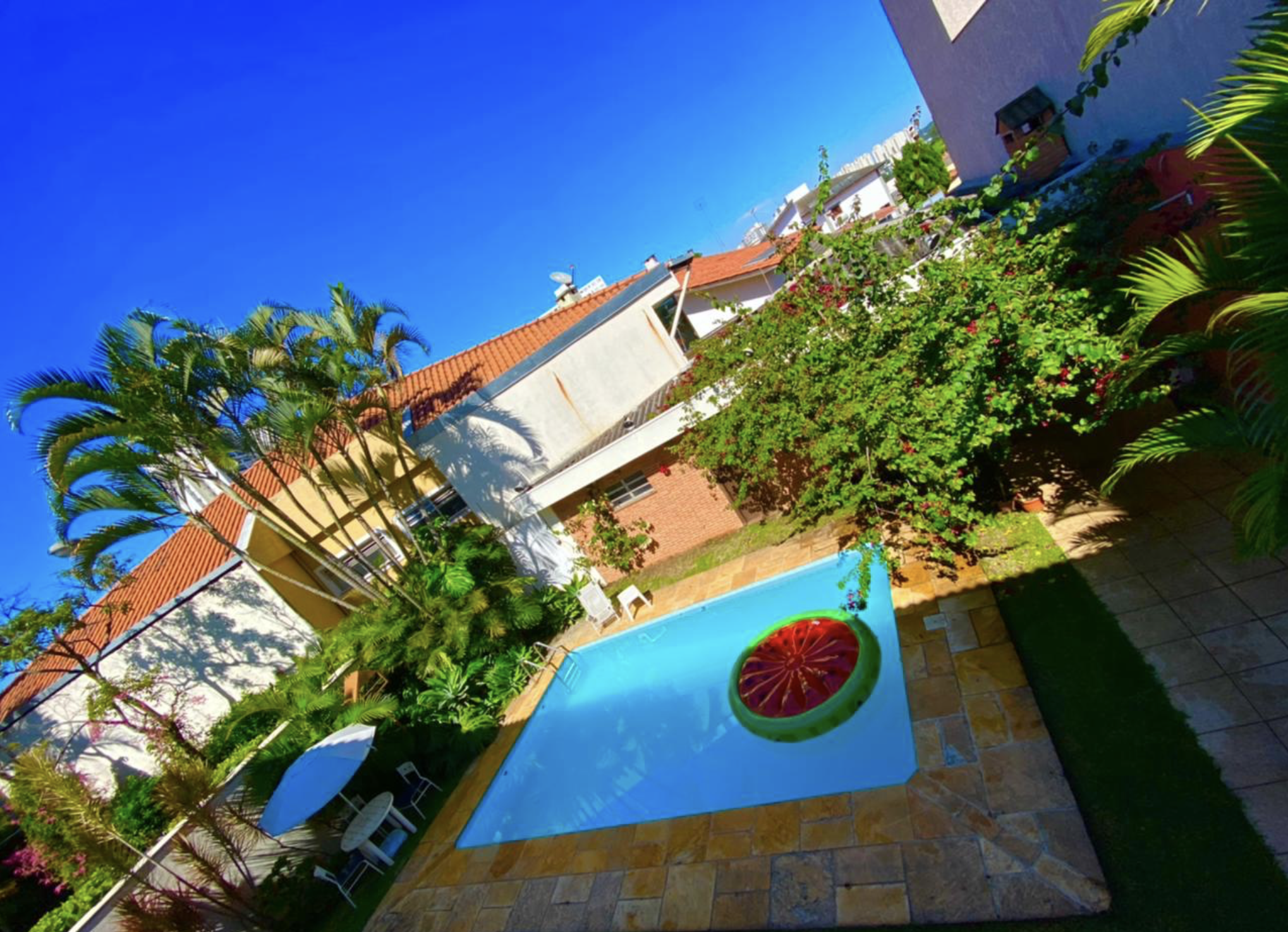
What Is Morumbi Coliving?
Morumbi Coliving is a residential shared-housing provider located in the Morumbi neighborhood of São Paulo, Brazil. It is built to solve one of the most notoriously painful experiences for young professionals and students in Brazil: the traditional rental market.
Historically, renting an apartment in São Paulo requires a fiador(a guarantor with fully paid-off real estate in the same city), an expensive seguro fiança(rental insurance), or a massive upfront deposit, usually tied to a rigid 30-month lease. Morumbi Coliving bypasses this entirely. Per the operator's official site (colivingmorumbi.com.br), their thesis is simple: "Sem fiador, sem burocracia"(No guarantor, no bureaucracy).
They offer fully furnished private suites within a larger shared property, combined with communal kitchens, coworking areas, and social spaces. The model targets people moving to São Paulo for work or study, young professionals wanting to live in a premium neighborhood on a budget, and anyone who wants a plug-and-play living situation where they simply unpack their bags and start living.
This review draws on Morumbi Coliving’s own site— room details, pricing structures, and amenities — cross-checked against independent Google Reviews, local Brazilian housing forums, and aggregate resident feedback. The independent picture reveals a highly practical, cost-effective solution that successfully delivers on its core promise of convenience, though it comes with the standard trade-offs inherent to high-density shared housing in Brazil.
Morumbi Coliving is best for:
✓ Young professionals and students newly arriving in São Paulo who need an immediate, furnished place to live
✓ Renters who want to bypass the grueling bureaucracy of traditional Brazilian real estate (no fiadorrequired)
✓ Budget-conscious individuals who want predictable, all-inclusive monthly expenses
✓ Socially open people who don't mind sharing kitchens and living areas
✓ Those working or studying in the city's South Zone (Zona Sul), particularly near Berrini, Faria Lima, or the Albert Einstein Hospital
📍 Location: Morumbi, São Paulo - SP, Brazil 🌐 colivingmorumbi.com.br
How Morumbi Coliving Actually Works: The All-Inclusive Model
Understanding Morumbi Coliving requires understanding how they structure their billing, which is their primary competitive advantage in the local market.
In a standard Brazilian apartment, a tenant pays the base rent (aluguel), a building fee (condomínio), urban property tax (IPTU), plus individual utility bills (water, electricity, gas, internet). This makes budgeting highly variable and setup incredibly tedious.
Morumbi Coliving operates on a single, all-inclusive monthly fee.
When you sign a contract, your monthly payment covers:
The private suite (fully furnished)
Water and Electricity
High-speed Wi-Fi
Property tax (IPTU)
Weekly professional cleaning of the shared communal areas
Maintenance of the property
The Contract:Instead of the standard 30-month Brazilian lease, coliving spaces typically offer highly flexible terms (often starting at 3 to 6 months), requiring only a simple background check and a basic deposit rather than complex financial guarantees.
Room Types and What's Included
Morumbi Coliving properties are designed around the concept of private sleep/study spaces and shared living spaces.
The Private Suites (Suítes): Every resident gets a private bedroom with an en-suite bathroom (a crucial privacy factor compared to basic student dorms or repúblicas). Per the operator, suites come fully furnished with:
A bed (usually single or double, depending on the room tier)
A wardrobe / closet space
A dedicated desk and chair for studying or remote work
A mini-fridge (in select room tiers, offering a way to keep personal groceries separate from the main kitchen)
The Shared Spaces: The community aspect of the house is built around the common areas, which are accessible to all residents:
Fully Equipped Kitchens:Featuring stoves, microwaves, large refrigerators, and essential cookware.
Coworking Spaces:Dedicated areas with seating designed for remote work, separate from the bedrooms.
Living / TV Rooms:Furnished lounge areas for socializing.
Laundry Facilities:On-site washing machines available for resident use (a major convenience, as laundromats are expensive in São Paulo).
Pricing:Because it is a local Brazilian business subject to market fluctuations, exact pricing is provided via direct quote (usually via WhatsApp, which is standard business practice in Brazil). However, historical data and market positioning place their rates significantly lower than renting, furnishing, and paying utilities for a solo studio apartment in the same neighborhood.
Location Context: The Reality of Morumbi
If you are not native to São Paulo, the location requires specific context.
Morumbi is a famous, historically affluent neighborhood in the city's South Zone. It is known for large residential properties, tree-lined streets, the Morumbi Stadium (home to São Paulo FC), and proximity to major business districts like Berrini and Faria Lima.
However, Morumbi is notoriously hilly and heavily reliant on cars or bus networks.It does not have deep, dense Metro (subway) coverage directly within its residential streets. Residents typically use local buses, ride-shares (Uber/99), or bicycles to reach the nearest Metro stations (like São Paulo-Morumbi on the Yellow Line or the CPTM train lines along the river). If your daily commute requires traveling to the far opposite side of the city, factor the commute time into your decision. If you work in the South Zone, the location is highly strategic.
The Honest Record: What Independent Reviews Actually Say
This is where the reality of coliving meets the marketing, sourced from aggregated independent resident feedback (such as Google Reviews and local housing discussions).
The consistent positive signal:The ease of moving in is praised almost universally. Residents consistently highlight the relief of avoiding real estate bureaucracy. The all-inclusive billing is frequently mentioned as a massive stress-reliever. Furthermore, independent reviews point out that the houses are generally well-maintained, and the inclusion of en-suite bathrooms in the private rooms (rather than shared hallway bathrooms) is a massive quality-of-life win that sets it apart from cheaper boarding houses (pensionatos).
The consistent negative signal — and this is important to know:The criticisms of Morumbi Coliving are not unique to the brand, but are structural to the coliving model itself.
Kitchen Congestion and Cleanliness:While management cleans the common areas weekly, daily cleanliness relies on the residents. Reviews occasionally note that during peak cooking hours, the shared kitchens can become crowded, and a few messy residents can temporarily ruin the experience for others before management steps in.
Acoustic Isolation:Like many large houses in São Paulo retrofitted into coliving spaces, sound travels. Some independent reviewers note that noise from the hallways, common areas, or neighboring rooms can be an issue if you are a light sleeper or have inconsiderate neighbors.
Space Constraints:While functional, the private suites are designed for sleeping and working, not for hosting guests. Some residents note the rooms feel small for long-term (multi-year) living, describing it as a perfect "stepping stone" rather than a forever home.
Net read:Morumbi Coliving successfully delivers exactly what it promises—a highly practical, affordable, and zero-bureaucracy way to live in São Paulo. The physical infrastructure is solid, but your day-to-day happiness will depend heavily on your tolerance for sharing communal spaces and the specific mix of housemates living there at any given time.
Pros and Cons
Pros
Zero Bureaucracy— No fiador, no seguro fiança, and no complex traditional lease agreements. Move in quickly and easily.
Predictable Finances— One single monthly payment covers rent, water, electricity, internet, IPTU, and cleaning. No surprise utility spikes.
En-Suite Bathrooms— Unlike many budget shared houses, having a private bathroom is a massive premium for privacy.
Ready to Live— Fully furnished rooms mean you don't need to buy a bed, desk, or wardrobe.
Built-in Community— Ideal for newcomers to São Paulo looking to network, make friends, and avoid the isolation of a solo apartment.
Cons
Shared Kitchen Dynamics— You are at the mercy of your housemates' daily habits regarding kitchen cleanliness and refrigerator space.
Noise Levels— Shared housing inevitably means more ambient noise from footsteps, doors, and social areas.
Morumbi Commute Logistics— The neighborhood is beautiful but hilly and less connected by direct subway lines, requiring a reliance on buses or ride-shares to get around the wider city.
Limited Private Square Footage— The private rooms are compact; if you want expansive private living space, you need a traditional apartment.
Who Morumbi Coliving Is For — and Who Should Skip It
A strong fit if you:
Are moving to São Paulo for the first time and need a safe, furnished "landing pad" without dealing with real estate agents.
Are a young professional, resident doctor, or student working/studying in the Zona Sul (Morumbi, Berrini, Pinheiros, Itaim Bibi).
Want to aggressively control your monthly budget with a fixed, all-inclusive cost.
Enjoy a communal atmosphere and don't mind sharing kitchens and living rooms.
Probably not the right fit if you:
Are highly sensitive to noise and require complete silence to sleep or work.
Have a large volume of personal furniture you want to bring with you.
Love to cook complex meals daily and want a pristine, empty kitchen waiting for you at all times.
Need to be located directly on top of a central Metro station (like the Green or Red lines).
FAQ
What is Morumbi Coliving? It is a shared housing provider in São Paulo offering private, furnished suites with en-suite bathrooms, alongside shared communal areas like kitchens and coworking spaces.
Do I need a fiador(guarantor) to rent a room? No. This is their primary selling point. They operate without the traditional bureaucracy of the Brazilian rental market, requiring no fiadoror expensive rental insurance.
What is included in the monthly rent? The single monthly fee includes the private room, all utilities (water, electricity, gas), high-speed internet, property tax (IPTU), and weekly professional cleaning of the common areas.
Are the bathrooms shared? No. Morumbi Coliving suites feature private, en-suite bathrooms, giving residents a crucial layer of privacy. (Always confirm room specifics directly upon booking, but this is their standard model).
Where is it located? In the Morumbi neighborhood in the South Zone of São Paulo. It is strategically close to major business hubs, the Morumbi stadium, and top-tier hospitals, though it requires bus or ride-share connections to access the Metro.
How do I book or get pricing? Pricing is done via direct quote based on room availability and length of stay. You can contact them directly through their website (colivingmorumbi.com.br) or their official WhatsApp channel listed on the site.
Last updated: 2026 | Based on Morumbi Coliving's official site (colivingmorumbi.com.br) — including amenities, policies, and location data — cross-checked against independent local reviews, São Paulo housing market realities, and aggregate resident feedback.